
Part of my ‘Spiritual Journey’ has been dealing with the word SHAMAN in application to myself. In 2004 I was asked to speak at a weekend conference on BREATHWORK in Milan Italy. I did my slot on Gay Relationships ( the term queer not used then ), in fact I had great problems using the term GAY to a heterosexual Italian crowd, they preferred ‘homosexual’ still believing it was a mental illness – but must push on . . .
 The next speaker, topping the bill, was a spanish woman, who I had met at other conferences, seen as quite unbalanced by this conservative crowd, suddenly asking ME without discussion, fuming at my reception, to assist in her Shamanic feather waving ceremony. I was commanded to hold the feathers!
I was a bit shocked and frankly embarrassed, but then she proceeded to totally demolish listeners by stating ( out of the blue ) I WAS A SHAMAN, an URBAN QUEER SHAMEN, someone who had healed himself from addictions and long held chronic disease. THAT SHUT THEM UP.
It has taken me 20 years to accept it finally, that my somatic breathwork work is SHAMANIC. It’s a recent conclusion so I’m putting it out there as fact, as I am late to the party with over 35 years experience in assisting others to heal themselves. I am now over 42 years clean & sober too, and a phrase I picked up over the years in recovery rooms is ” you can’t give away what you haven’t got!”. EXPERIENCE is GOLD – with or without feathers.
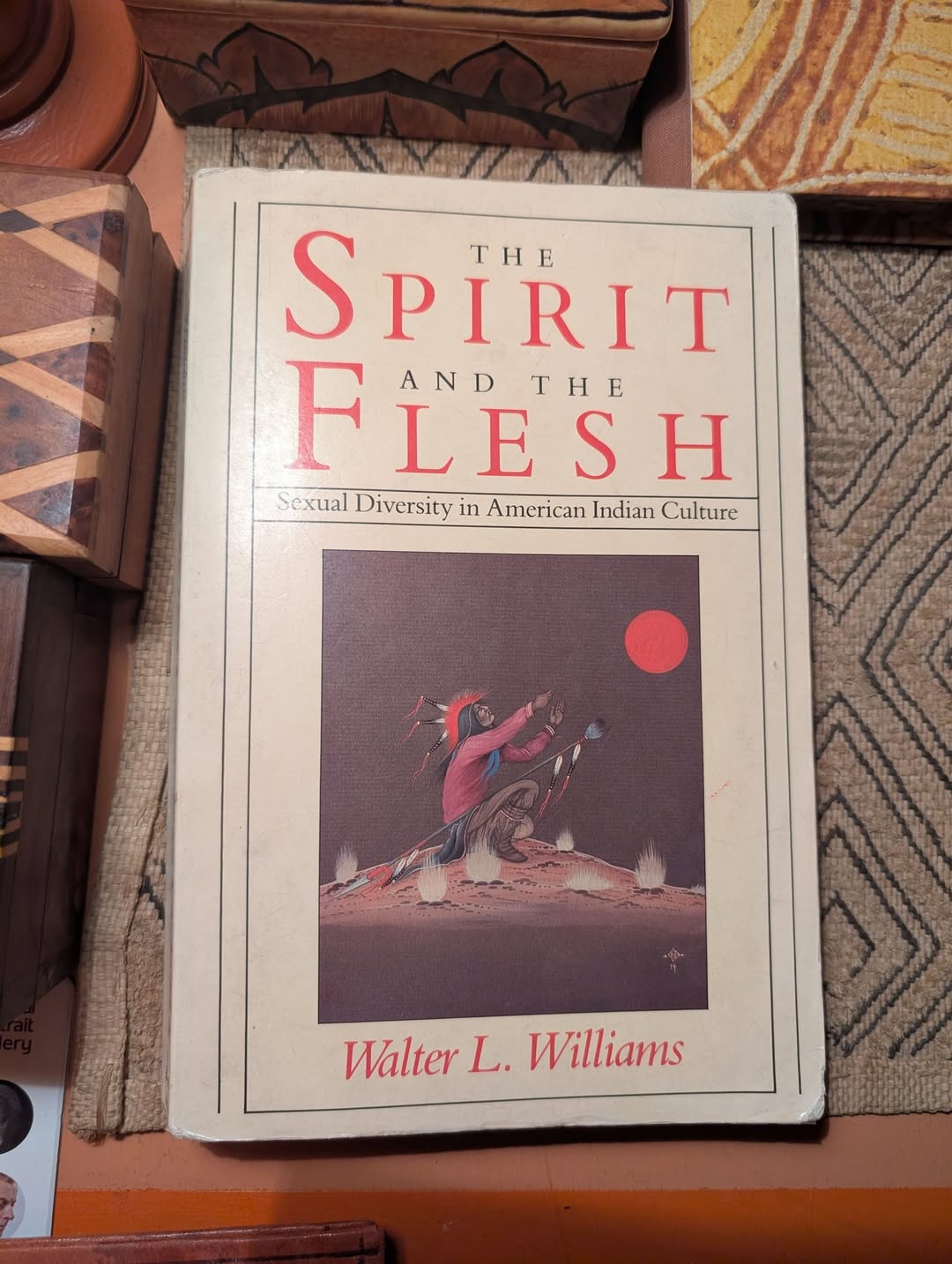 A “Queer Two Spirit Shaman” refers to a Native American individual who embodies both masculine and feminine spiritual qualities, often taking on a role as a healer or spiritual leader within their community, and whose gender identity falls outside of the Western binary, historically described using the term “berdache” by Europeans, now considered outdated and often offensive; “Two Spirit” is the preferred term used by Indigenous people to describe this identity.
Key points about this term:
- “Two Spirit”:This is the contemporary, respectful term used by Indigenous people to describe individuals who embody both masculine and feminine spirits, often associated with special spiritual roles like shamanism.
- “Berdache”:This term, originating from French, was used by European anthropologists to describe Native American people who did not conform to Western gender norms, but is now considered derogatory and should be avoided.
- Shamanistic role:Historically, Two Spirit individuals often held significant spiritual positions within their tribes, acting as healers, visionaries, and ceremonial leaders.
- Queer identity:“Queer” in this context encompasses the non-heteronormative aspects of a Two Spirit person’s gender identity and sexual orientation.
 Having said all that – Coaching, Life Audit and ‘Conscious Connected’ Rebirthing Breathwork that I provide – does NOT include feathers, ceremonies, ‘shrooms, ayahuasca, cacao or any mood altering substance.
As alternative, Somatic Shamanic Breathwork I practice gets you high, ( like coming up on E – I keep hearing ) spiritually connected with safe emotional release of anxiety, depressions and blocked potentials. No Drumwork or talking sticks either. Specialised Practitioners do that so much better than me.
Antony Hegarty, of Antony & the Johnsons is a fan of the book The Spirit and the Flesh. He asked its author, Walter L Williams, to write a feature for guardian.co.uk/music on the ‘two-spirit’ tradition in Native American culture
https://www.theguardian.com/music/2010/oct/11/two-spirit-people-north-america
 mygaytherapist